- Home
- Your Government
- Boards & Committees
- All Other Boards & Committees
- Stormwater Management
Stormwater Management Committee
 Meetings
Events
Septic Smart Week!
In this video, "Shield Your Field," learn about your septic system’s drainfield, including how it works, and tips to take care of it.
Recent Information
Public Update Memo (June 2021)
General Permit Approval (March 2019)
Transfer Station SWPPP (July 2024)
Highway Garage SWPPP (July 2024)
What is Stormwater?
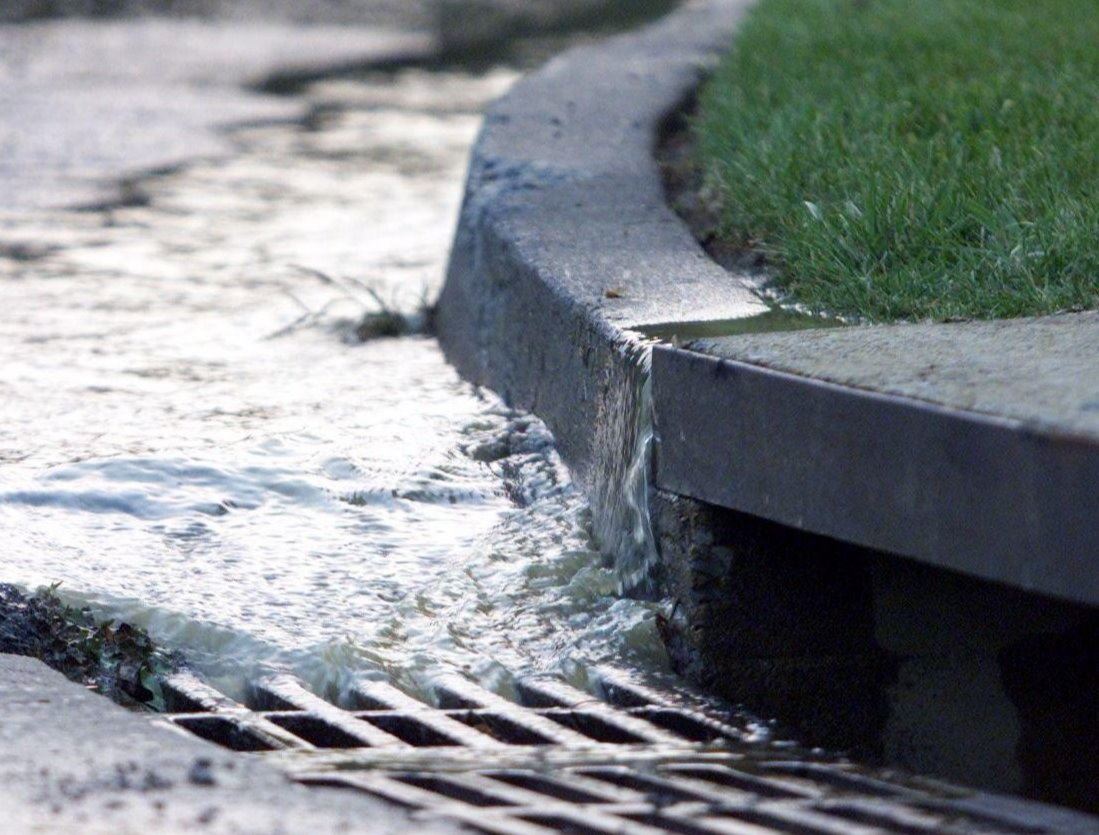
Stormwater is runoff that is generated from rain and snowmelt events that flow over land or impervious surfaces, such as paved streets, parking lots, and building rooftops, and does not soak into the ground. The runoff picks up pollutants like trash, chemicals, oils, and dirt/sediment that can harm our rivers, streams, lakes, and coastal waters.
What is an MS4?
The U.S. Environmental Protection Agency’s (EPA) Stormwater program was created under the Clean Water Act (CWA). Phase I uses National Pollutant Discharge Elimination System (NPDES) Permit coverage to manage Stormwater from different sources, including MS4 communities.
MS4 stands for “Municipal Separate Storm Sewer System".
“Municipal” refers to a unit of local government like a town or city, but may also refer to an organization responsible for the administration of a developed area.
The number 4 represents the four words that start with the letter “S” - “Separate,” “Storm,” “Sewer,” “System.”
For more information about MS4 requirements, click here.
The NH Department of Environmental Services (NHDES) has created a webpage with information and links to other resources if you want to learn more.
Stormwater Regulation
EPA’s Stormwater Phase II Rule establishes an MS4 Stormwater management program that is intended to improve the water quality of waterways by reducing the quantity of pollutants.
Phase II of the EPA’s Storm Water Regulation requires operators of MS4s in urbanized areas and operators of small construction sites, through the use of NPDES Permits, to implement programs and practices to control polluted Stormwater runoff. Phase II is intended to further reduce adverse impacts to water quality and aquatic habitat by instituting the use of controls on the unregulated sources of Stormwater discharges that have the greatest likelihood of causing continued environmental degradation. The Permit is comprised of the following six elements that, when implemented in concert, are expected to result in significant reduction of pollutants discharged into receiving waters:
- MCM 1: Public Education
- MCM 2: Public Participation
- MCM 3: Illicit Discharge Detection and Elimination (IDDE)
- MCM 4: Construction Site Stormwater Runoff Control
- MCM 5: Post Construction Stormwater Management
- MCM 6: Municipal Good Housekeeping
Notice of Intent (NOI)
The Town of Windham submitted a Notice of Intent for the General Permit for Stormwater Discharges from Small MS4s both in 2003 and 2018.
To view the Town’s 2018 NOI, click here.
Stormwater Management Program (SWMP)
The SWMP describes and details the activities and measures that will be implemented to meet the terms and conditions of the Permit. The document will be updated and/or modified during the Permit term as the Town’s activities are modified, changed or updated.
To view the Town’s SWMP, click here.
Please email Meaghan O'Dwyer, Environmental Planner, with any comments on the SWMP.
The purpose of the Stormwater Management Program (SWMP)
Concentrated development in urbanized areas substantially increases impervious surfaces such as paved streets, driveways, parking lots, and sidewalks, in which pollutants from concentrated human activities settle and remain until a storm event washes them into nearby storm drains. The storm sewer is a system designed to carry rainfall runoff and other drainage. Polluted Stormwater runoff transported to municipal separate storm sewer systems (MS4s) ultimately discharge into local rivers and streams without treatment. To avoid contamination, dispose of contaminants in the sanitary sewer, which is a system of underground pipes that carries sewage from bathrooms, sinks, kitchens, and other plumbing components to a wastewater treatment plant where it is filtered, treated and discharged.
To view Windham’s IDDE Plan, click here.
MCM1: Public Education Materials
Maps
- 2020 Catch Basin Data Collection Map here
- To view the Town’s Culverts and Outfalls Data Map, click here.
- To view the Town’s Catchment Area Map, click here.
- To view the Town’s MS4 Area, click here.
- To view the Town's interactive Stormwater Map on ArcGIS, click here
Phosphorus Source Identification Report (see links below)
Report
Appendix A
Appendix B (Year 1-6 Sampling Results)
Appendix C
Appendix D
Committee Members
Brian McCarthy, Town Administrator | (603) 432-7732
Open Position, Information Technology/GIS Director | (603) 432-7732
Dennis Senibaldi, General Services Director | (603) 426-5102
John Devlin, General Services Manager | (603) 426-5102
Alexander Mello, Community Development Director | (603) 432-3806
Meaghan O'Dwyer, Environmental Planner | (603)432-3806